








CHOOSING THE RIGHT BASE FOR YOUR SHED
Buying a high-quality steel or wooden shed is a great investment for your home, but even the best shed won't last if it's sitting on a bad foundation. Choosing the right base is critical for drainage, stability, and ease of assembly.
Concrete Slab
The Heavy-Duty Choice
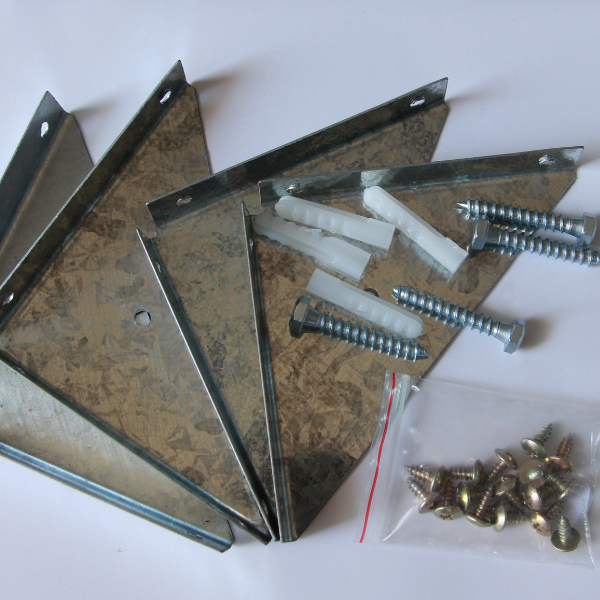
A poured concrete slab is the most durable and permanent option available. It creates a solid, level floor that allows you to bolt your shed down — essential for steel units in windy conditions.
Step-by-Step Installation

Paving Slabs
The DIY Balance
Using 2x2 or 3x2 paving flags over a bed of compacted sand and hardcore is a very popular middle-ground. It provides a solid surface that looks great in a garden setting.
Plastic Grid Systems
The Eco-Base
These interlocking grids are made from recycled plastic. You lay them on top of a thin layer of pea shingle. They are lightweight, incredibly strong, and allow for 100% drainage.
Our Expert Recommendation
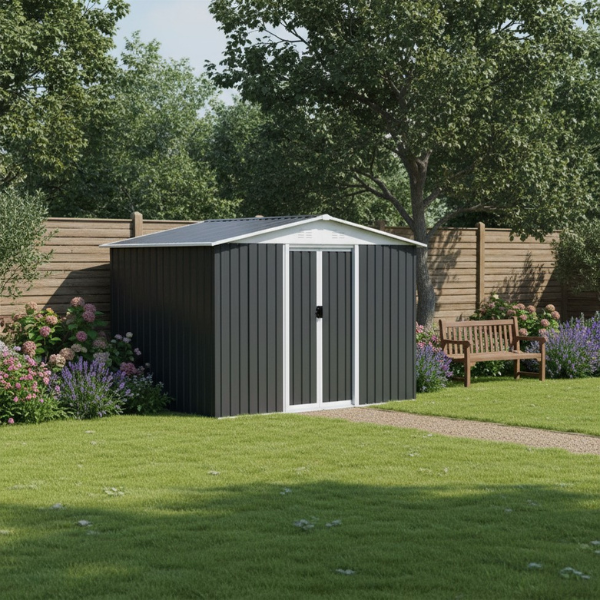
If you are purchasing one of our Premium Metal Sheds, we highly recommend a Concrete Base using the "Picture Frame" method. Because steel sheds are lightweight, they must be bolted down to prevent movement during storms. A concrete base ensures the frame stays square, which keeps your doors sliding smoothly for years to come.